
Advanced Neuropathy & Circulation Light Therapy
Engineered for Safety. Designed for Precision. Built for Real Clinics.
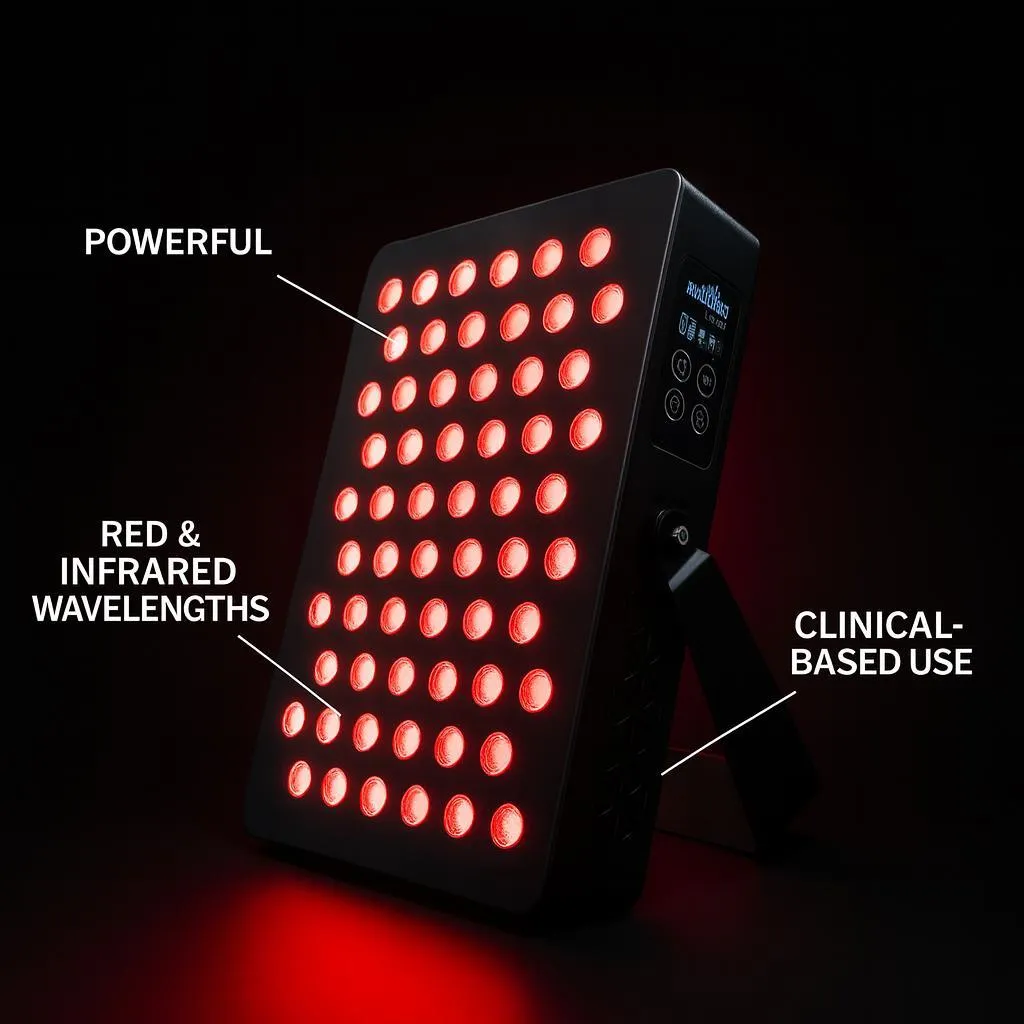
Neuropathy isn’t a surface-level problem. And it doesn’t respond to surface-level solutions. KoreNRG was engineered as a high output, wellness focused light system designed to support peripheral nerve environments, circulation and cellular energy — safely, precisely, and efficiently — using the right wavelengths, the right power, and the right delivery model. This isn’t about hype.
It’s about engineering discipline, biological plausibility, and responsible application.
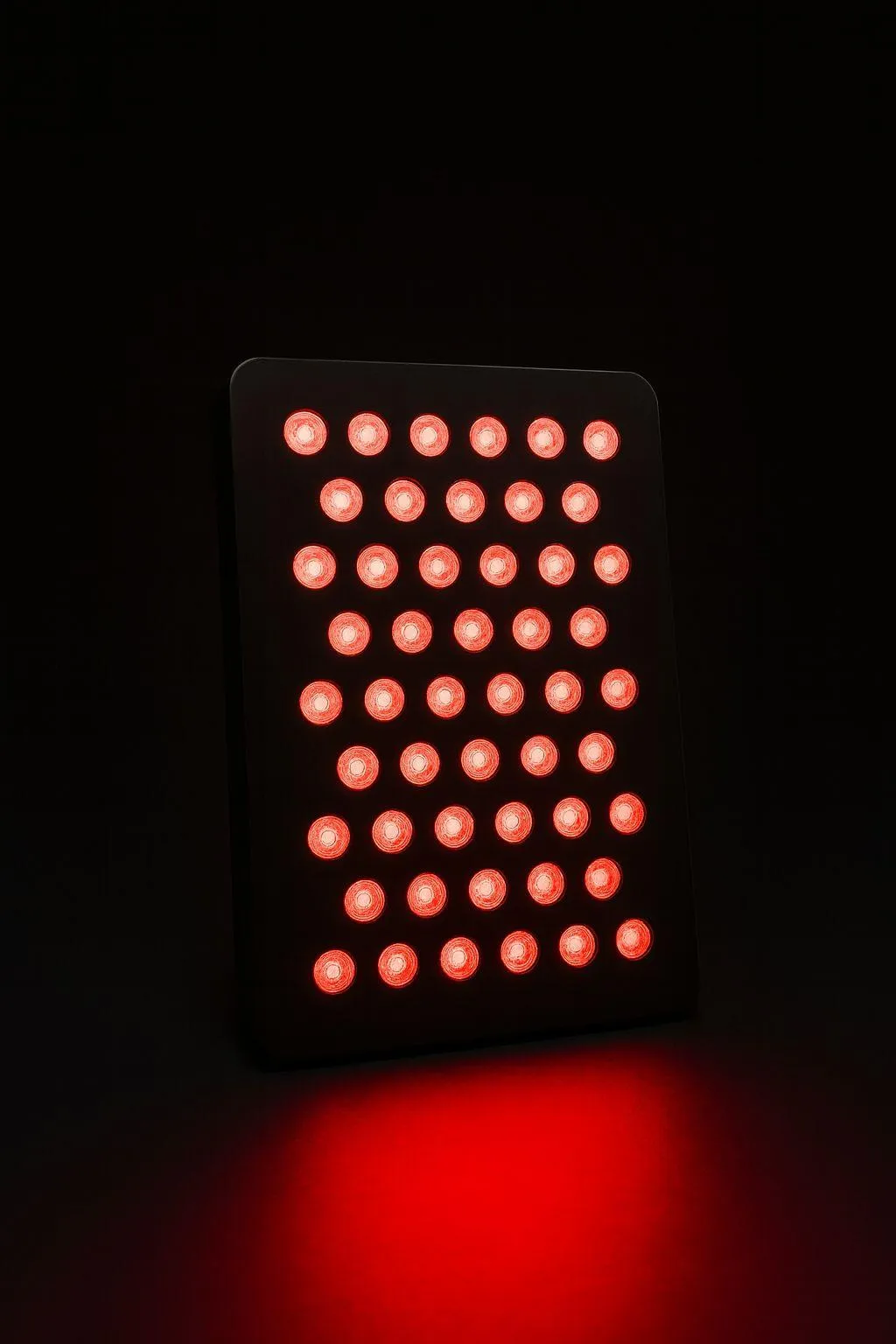
SAFETY IS THE FOUNDATION. EFFECTIVENESS IS THE DIFFERENCE.
At Kore, safety is non-negotiable. It’s the baseline.
KoreNRG is developed and manufactured under a strict ISO 9001 quality management system, using components and raw materials that meet CE, RoHS, FCC, and international safety standards.
But compliance alone doesn’t create outcomes.
Many neuropathy devices are designed to meet safety requirements —
and stop there.
They rely on:
Low-output light
Minimal penetration
Conservative dosing
That approach prioritizes comfort, but often limits clinical impact.
KoreNRG was engineered to meet safety standards while delivering meaningful, measurable energy appropriate for supportive neurological and circulatory wellness applications.
Safety is the foundation.
Effectiveness is the differentiator.
WHY NEUROPATHY REQUIRES A DIFFERENT APPROACH
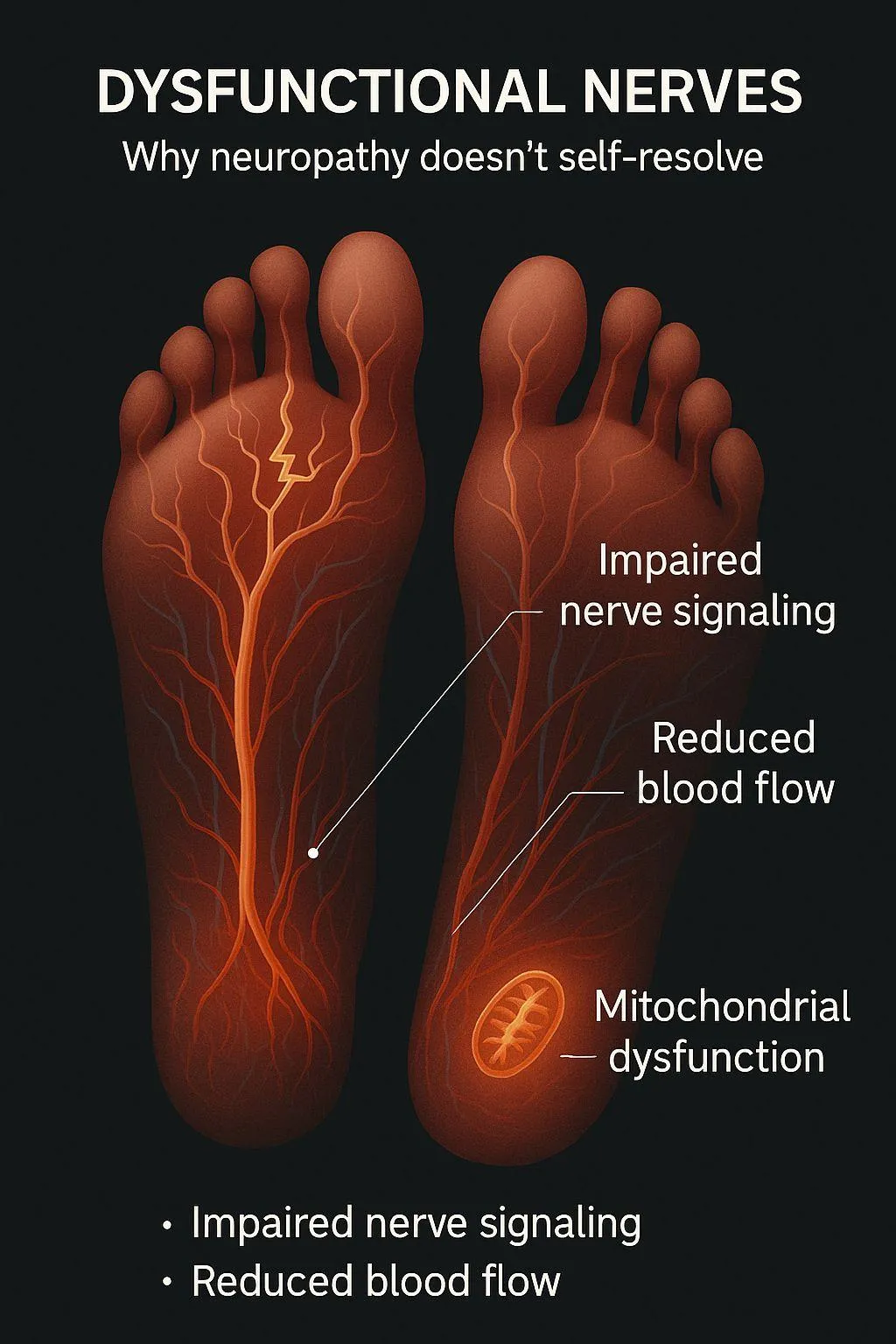
Neuropathy is not just pain.
It’s a combination of:
Altered nerve signaling
Reduced microcirculation
Mitochondrial dysfunction
Chronic inflammatory load
If a wellness modality does not:
Reach deeper tissue environments
Deliver sufficient energy density
Support mitochondrial activity
Encourage circulation
…it may have limited impact on how the body responds over time.
KoreNRG was designed to support these underlying physiological environments, rather than focusing on surface sensations alone.
Right Light. Right Depth.
Right Result.
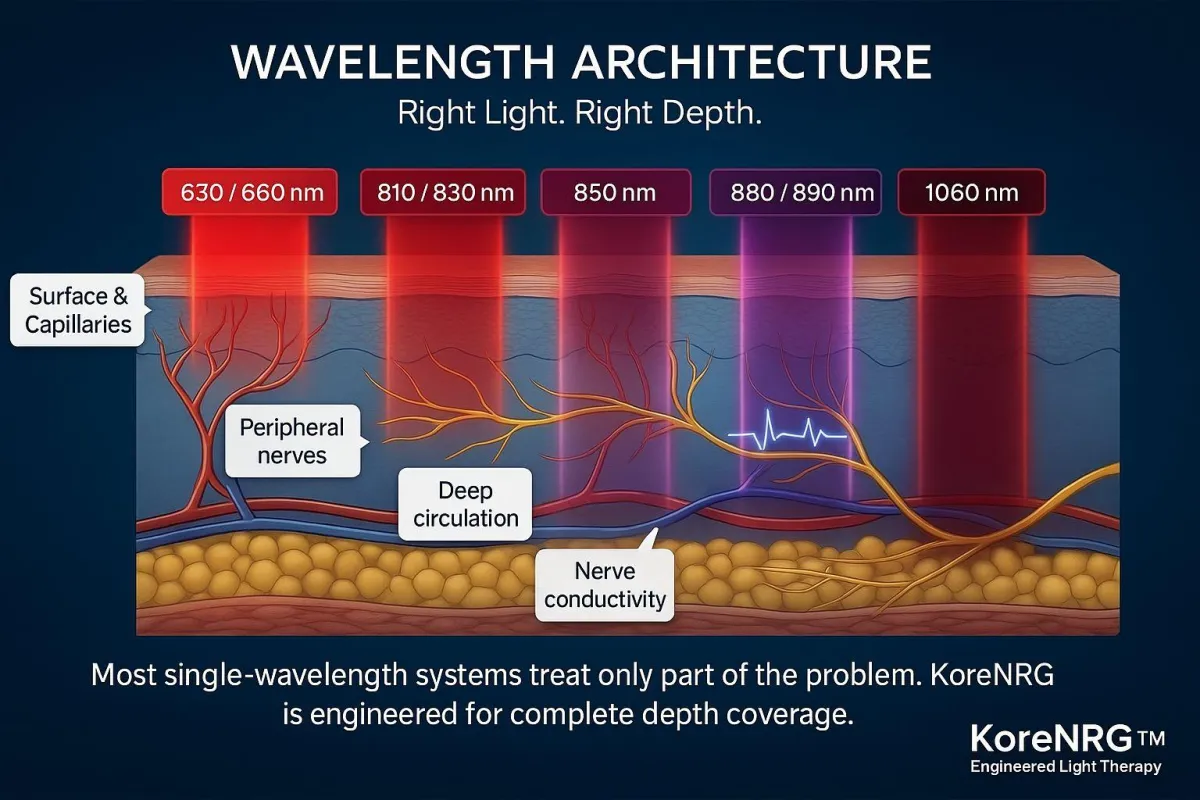
KoreNRG delivers 8 carefully selected wavelengths simultaneously, chosen to support circulation. cellular energy production, and deeper tissue interaction.
630 / 660 nm
Capillary oxygenation, nitric oxide signaling, foundational circulation810 / 830 nm
Cellular energy support and peripheral nerve environments850 nm
Deep circulation and microvascular engagement880 / 890 nm
Peripheral tissue interaction and vascular tone support1060 nm
Deep penetration reaching the fat–nerve interface, often omitted due to cost — intentionally included here
Neuropathy related challenges do not originate at the skin.
Supportive wellness strategies shouldn’t stop there either.
WHAT’S INSIDE MATTERS MORE THAN WHAT’S ON THE BOX
At a glance, many light therapy devices look similar.
Rectangular housing. LEDs behind acrylic. A power switch.
That surface similarity has led to an understandable question:
“Aren’t these just inexpensive boxes from overseas suppliers?”
The reality is this:
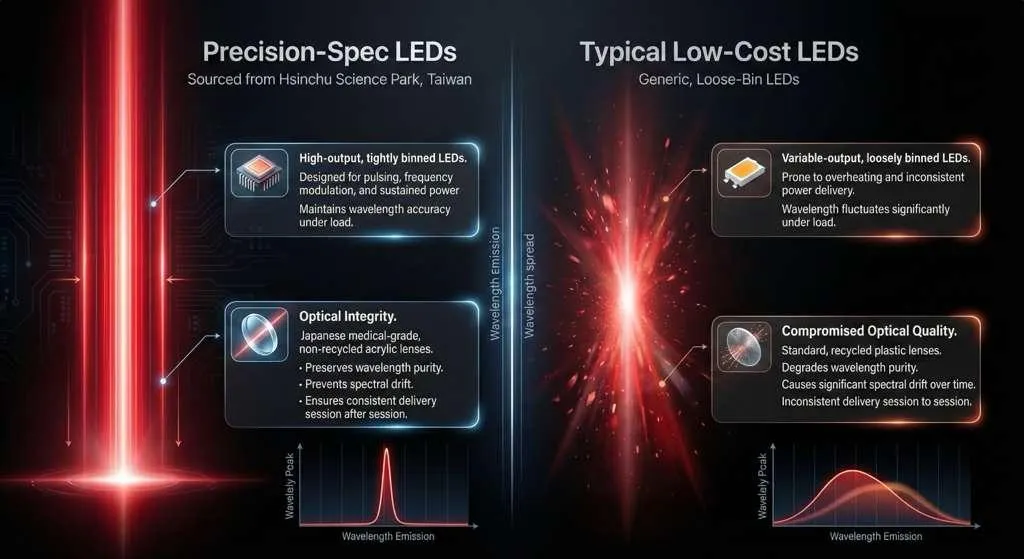
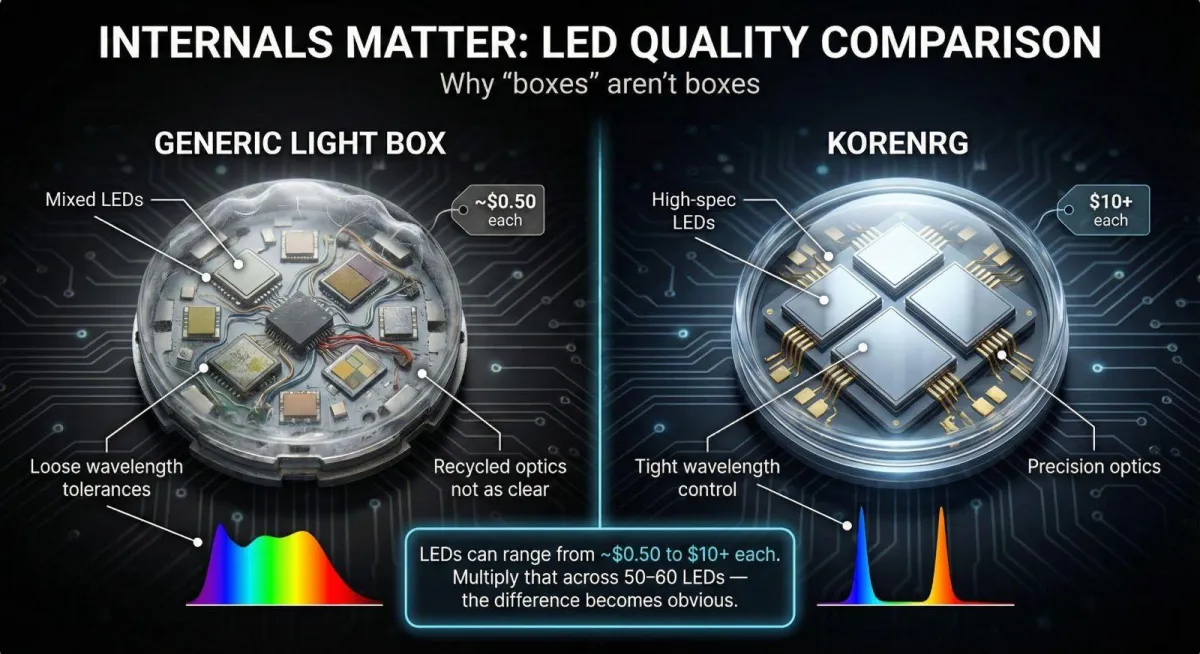
LED QUALITY VARIES — DRAMATICALLY
In light therapy manufacturing, LEDs can range from approximately $0.50 to over $10 per diode, depending on:
Semiconductor quality
Wavelength precision
Bin consistency
Thermal stability
Output reliability over time
KoreNRG incorporates frequency-modulated delivery layered on top of photobiomodulation to support neurological, circulatory, and metabolic signaling environments — a capability static light panels do not provide.
ENGINEERED FROM THE INSIDE OUT
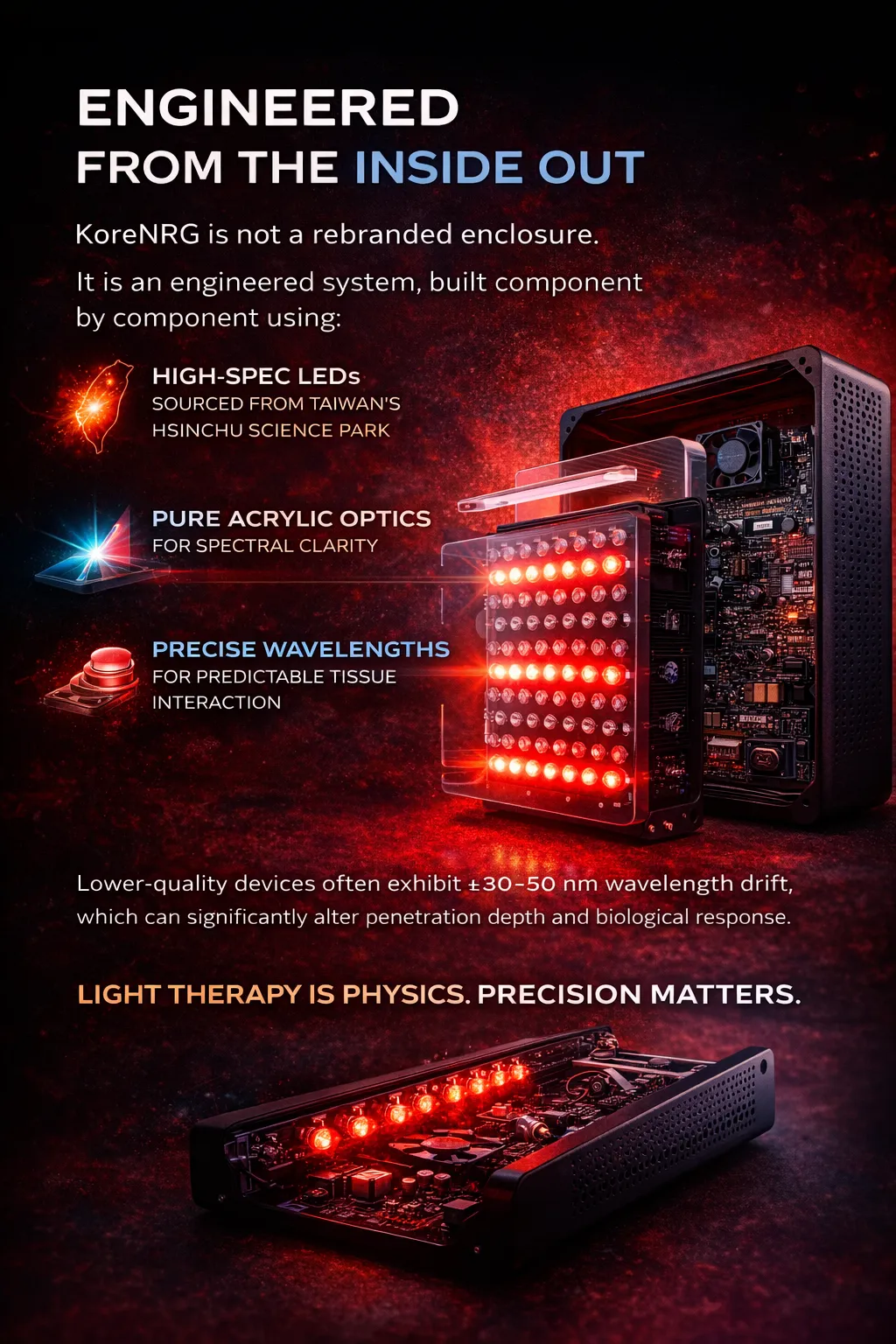
KoreNRG is not a rebranded enclosure.
It is an engineered system, built component by component using:
High-spec LEDs sourced from Taiwan’s Hsinchu Science Park
Pure, non-recycled acrylic optics for spectral clarity
Tight wavelength tolerances to ensure predictable tissue interaction
Lower-quality devices often exhibit ±30–50 nm wavelength drift, which can significantly alter penetration depth and biological response.
Light therapy is physics. Precision matters.
CLINICAL IRRADIANCE (POWER THAT ACTUALLY REaches Tissue)
KoreNRG delivers approximately 220 mW/cm² at treatment distance.
This is measured clinical irradiance, not peak diode output or brochure math.
Why this matters:
Light reaches damaged peripheral nerves
Mitochondria receive adequate stimulation
Dosing is consistent and repeatable
Outcomes compound over time
Warmth is easy to produce.
Consistent delivery is not.
DOSING EFFICIENCY & MULTI-AREA COVERAGE
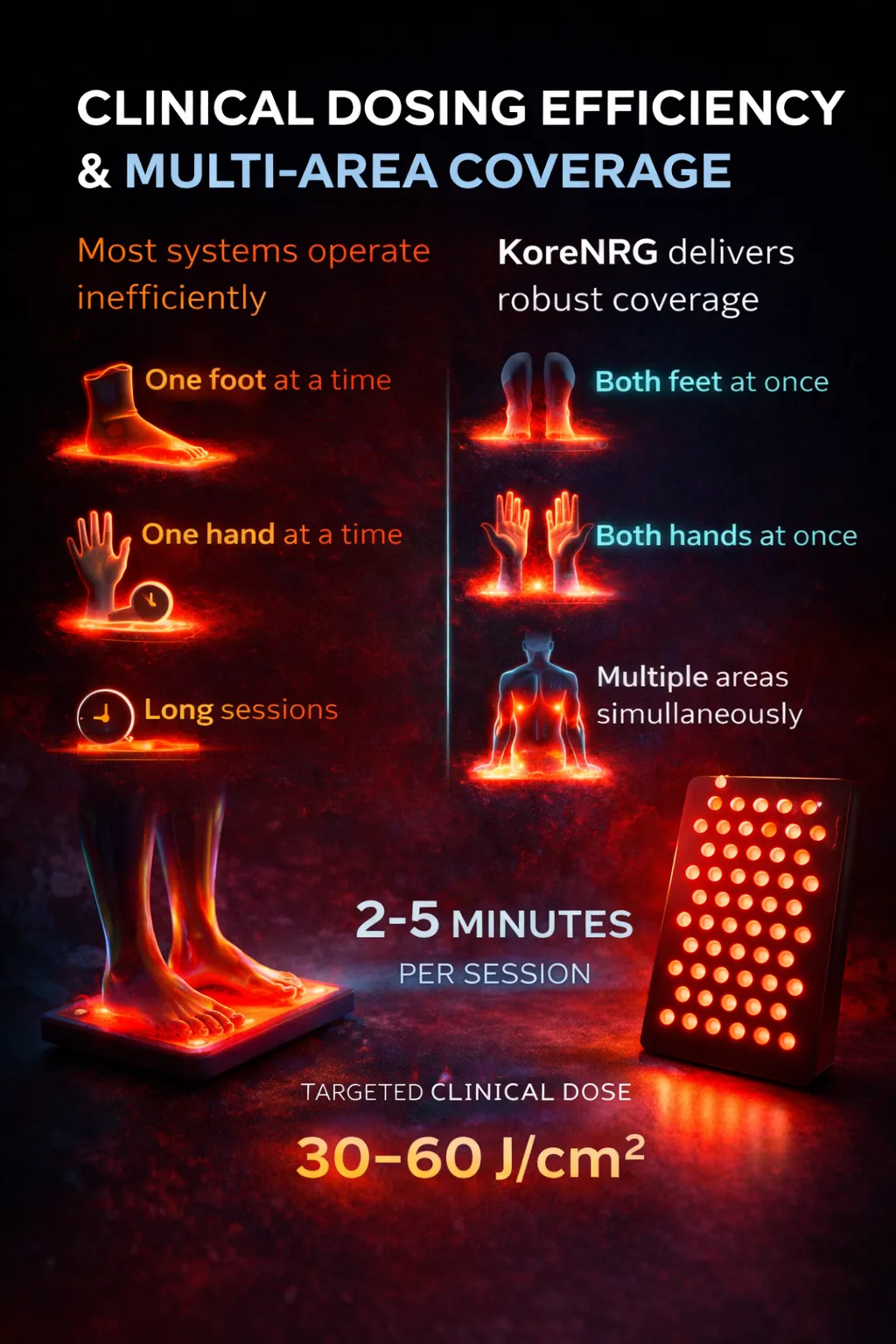
One of the most overlooked limitations in neuropathy care isn’t technology —it’s inefficient delivery.
Many systems require:
One foot at a time
One hand at a time
Long sessions to compensate for low output
KoreNRG was engineered differently.
Both hands at once
Both feet at once
Both calves simultaneously
Entire low back or lumbar region
—all in a single session.
Because KoreNRG delivers verified irradiance across a broad treatment area, it allows patients to receive commonly referenced photobiomodulation dosing ranges (often cited around 30–60 J/cm²) in approximately 2–5 minutes, depending on protocol.
ABOUT “1-MINUTE” CLAIMS (THE MATH MATTERS)
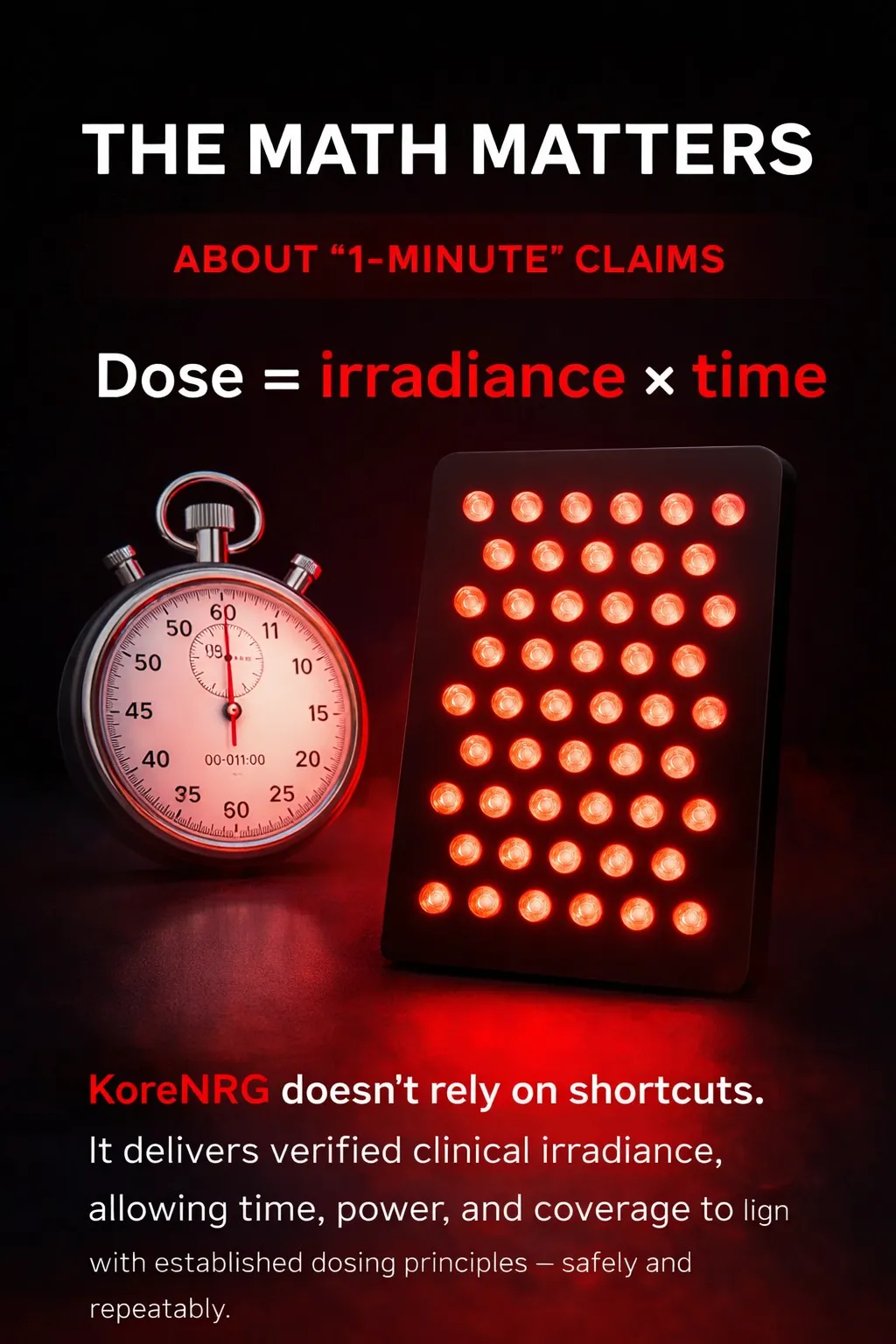
Some devices advertise ultra-short treatment times, such as “1 minute.”
Photobiomodulation dosing is straightforward:
Dose = irradiance × time
Ultra-short sessions only work if measured irradiance at the patient is exceptionally high. In many cases, these claims rely on:
Peak diode measurements
Zero-distance readings
Marketing wattage instead of calibrated output
KoreNRG doesn’t rely on shortcuts.
It delivers verified verified irradiance, allowing time, power, and coverage to align with established dosing principles — safely and repeatably.
FREQUENCY-MODULATED NEURO STIMULATION
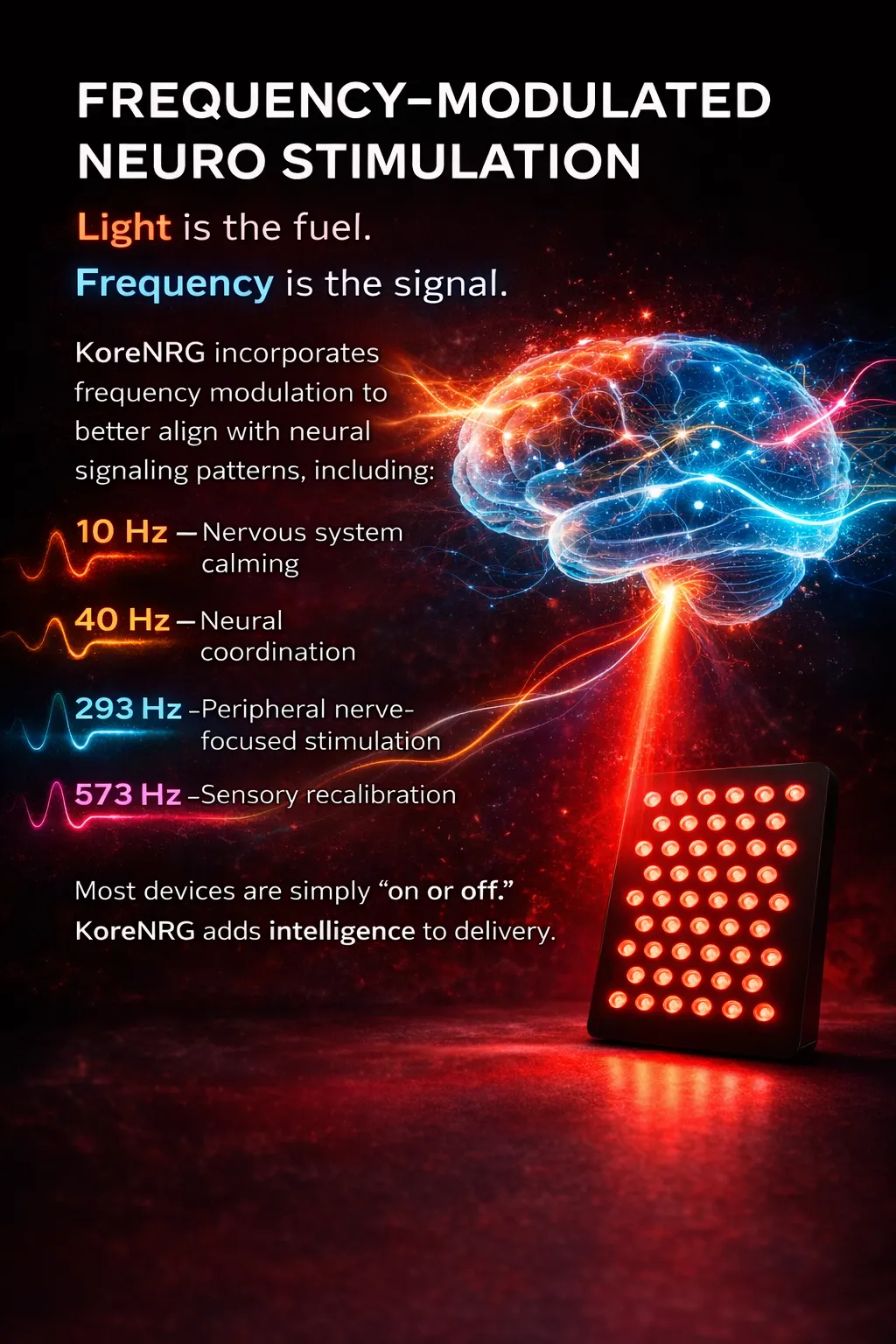
Light is the fuel.
Frequency is the signal.
KoreNRG incorporates frequency modulation to better align with neural signaling patterns, including:
Most devices are simply “on or off.”
KoreNRG adds intelligence to support different wellness objectives.
10 Hz – Nervous system calming
40 Hz – Neural coordination
73 Hz – Nueromuscular coordination and circulatory support
146 Hz – Pain modulation and Nueromuscular Relaxation
293 Hz – Peripheral nerve-focused stimulation
573 Hz – Sensory recalibration
PRIMARY CLINICAL APPLICATION: NEUROPATHY
KoreNRG is ideally suited for:
Diabetes-related nerve discomfort
Idiopathic neuropathy Symptoms
Chemotherapy-related nerve sensitivity
Post-surgical nerve irritation
Clinics use KoreNRG to support improvements in:
Sensation awareness
Tingling and burning perception
Balance and confidence
Sleep quality and daily comfort
SECONDARY APPLICATIONS (BUILT-IN EXPANSION)
Once in the clinic, KoreNRG naturally expands into:
Circulation challenges (e.g., Raynaud’s-type patterns)
Fibromyalgia- related discomfort
Chronic nerve and circulatory stress
One system. Multiple wellness applications. Clean, ethical positioning.
THE KORE COMMITMENT
KoreNRG reflects Kore’s philosophy:
Safety-first engineering
Evidence-informed design
Always optimizing
Long-term clinical credibility
You’re not purchasing a device.
You’re adopting a neuropathy-focused wellness system designed for longevity and responsible use.
Deliver Smarter Neuropathy Care
If you’re looking for a neuropathy solution that respects safety standards and delivers meaningful energy and efficient coverage, KoreNRG belongs in your clinic.
All Rights Reserved.
Disclaimer
The information provided on this website is for educational and general wellness purposes only. KoreLight products utilize photobiomodulation technology intended to support overall wellness, recovery, circulation, and cellular function. These statements have not been evaluated by the Food and Drug Administration. KoreLight products are not intended to diagnose, treat, cure, or prevent any disease. Individual results may vary, and this content is not a substitute for professional medical advice.
Testimonials and case examples represent individual experiences and are not guarantees of results. Outcomes vary depending on the individual and should not be interpreted as typical.