The Engineering Behind Light Therapy
Why We Don't Use the Same LEDs in Every Device (And Why You Should Be Skeptical of Anyone Who Does)
By Dr. Kory Pohlman
One of the questions I get asked most often is:
"Why don't all of your devices use the same LEDs?"
It's a fair question.
After all, if one LED is "the best," shouldn't every device use it?
My answer usually surprises people.
There is no perfect LED.
There is no perfect lens.
There is no perfect beam angle.
There is no perfect engineering solution.
Every decision we make when designing a device is a tradeoff between physics, biology, patient experience, manufacturing, and the intended clinical application.
That's something I wish more people understood.
Because somewhere along the way, our industry started believing that one specification determines whether a device is "good."
More LEDs.
Bigger LEDs.
Higher irradiance.
More wavelengths.
None of those things, by themselves, determine whether a device delivers a great treatment.
Good engineering does.
Today, I want to take you behind the scenes and show you how engineers think when designing professional light therapy systems.
Engineering Isn't About Building the Biggest
It's About Building the Right Tool.
Imagine asking a carpenter,
"What's the best tool?"
The answer depends entirely on the job.
A framing hammer.
A finish nailer.
A table saw.
A router.
They're all excellent.
They're simply designed for different purposes.
Light therapy equipment works the same way.
Every clinical application has different goals.
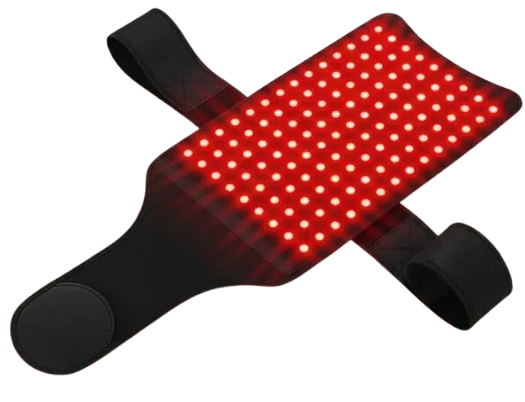
Treating neuropathy isn't the same as creating an immersive full-body wellness experience.
A targeted facial treatment isn't the same as a full-body recovery system.
Because the goals are different...
...the engineering should be different too.
Bigger LEDs Aren't Always Better
One of the biggest misconceptions in our industry is that larger LEDs automatically produce better treatments.
Sometimes they do.
Sometimes they don't.
Larger LEDs often allow engineers to create systems capable of delivering significant optical output while pairing exceptionally well with precision optics and tighter beam control.
That can be an excellent choice for applications where maintaining irradiance over treatment distance is important.
But there are tradeoffs.
Larger LEDs occupy more space.
That means fewer emitters across the treatment surface.
In some applications, that's exactly what you want.
In others, it isn't.
Smaller LEDs Aren't Inferior Either
On the opposite end of the spectrum are smaller LEDs.
Many people assume they're simply a less expensive option.
That couldn't be further from the truth.
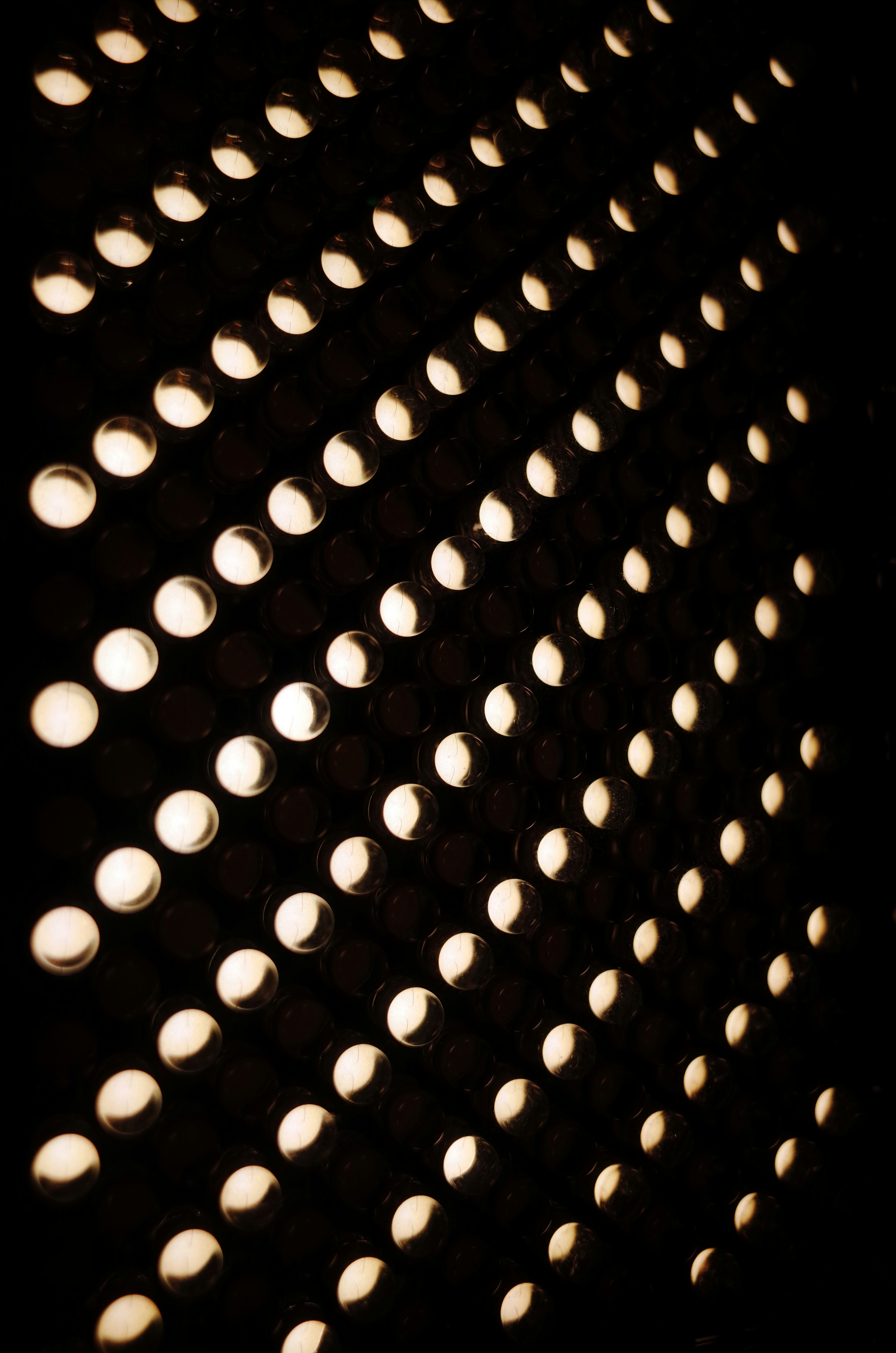
Smaller LEDs allow engineers to create extremely dense treatment arrays.
That increased density can produce remarkably uniform light distribution across the body.
Instead of having larger individual light sources separated by greater distances, thousands of smaller emitters work together to create a continuous treatment field.
Again...
Neither approach is inherently better.
They're solving different engineering problems.
Why Our Devices Use Different LED Strategies
One of the things I'm most proud of is that we didn't force every Kore device into the same design philosophy.
Instead, we asked a much better question:
"What does this device need to accomplish?"
For example...
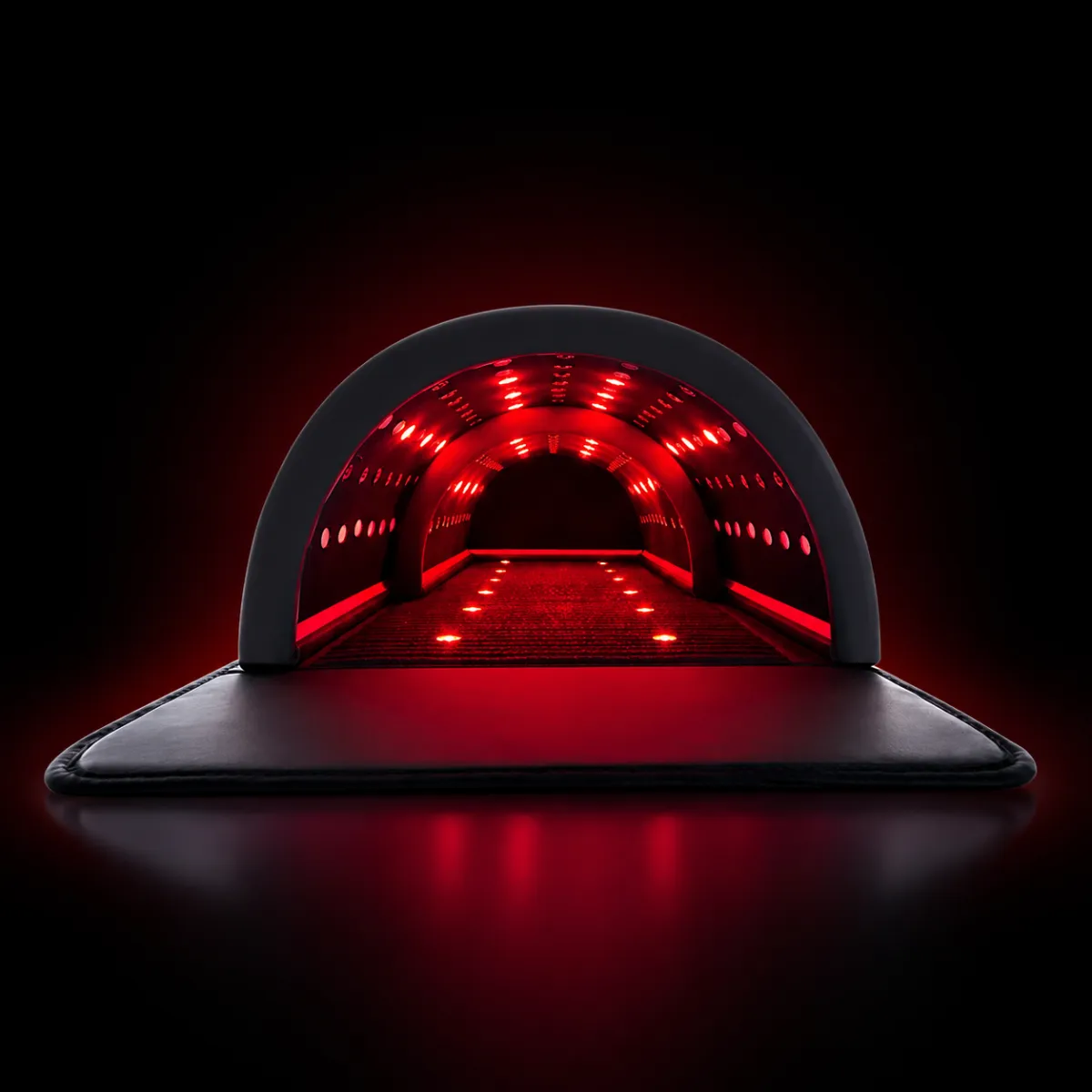
Our KoreLUX™ uses 1,056 larger, high-output LEDs paired with 30-degree optics.
Why?
Because that device was engineered to deliver a premium full-body treatment experience while maintaining exceptional optical performance across the treatment field.
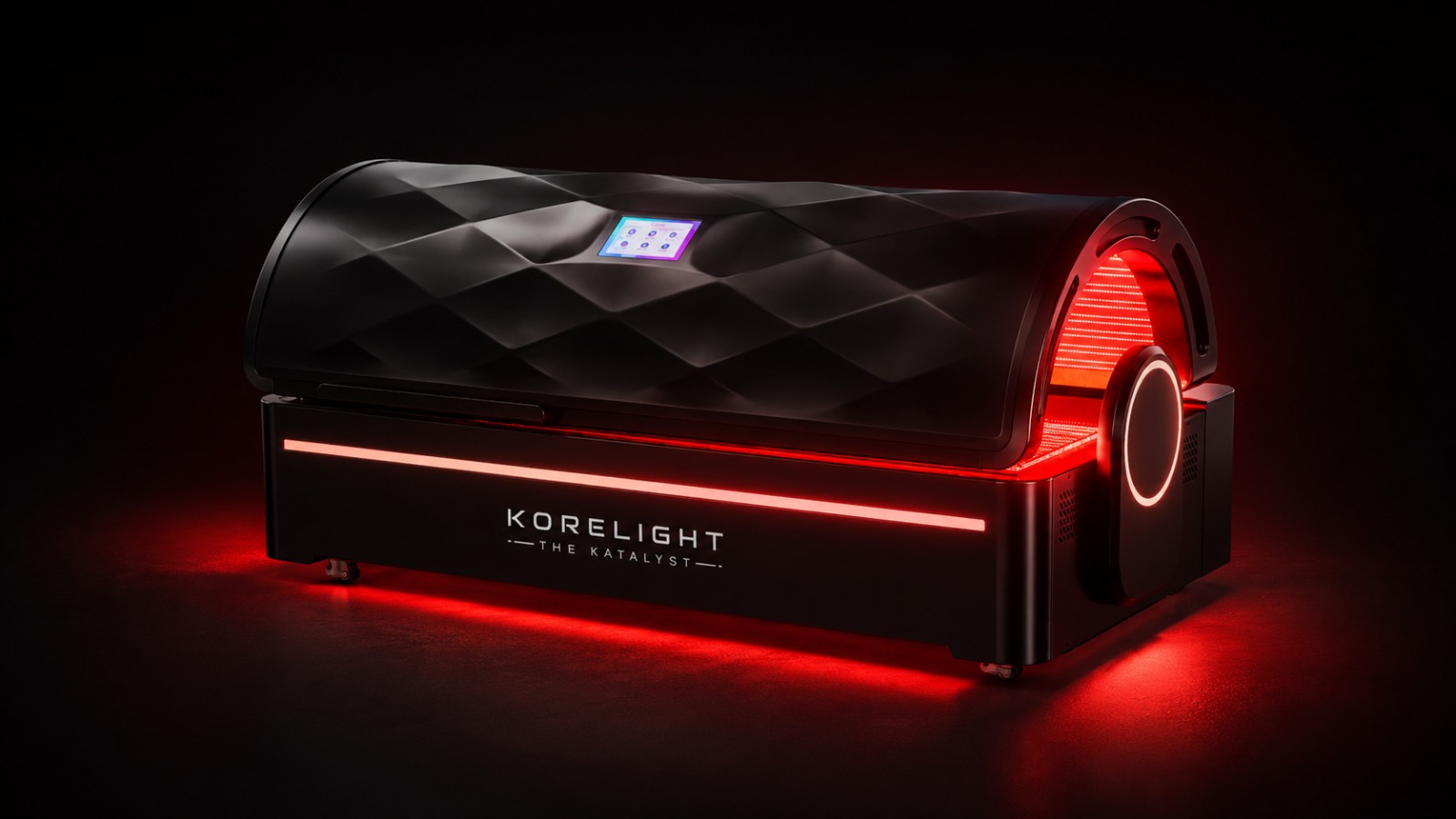
Our KoreELITE™ takes a completely different approach.
It uses 43,200 much smaller LEDs arranged in an extremely dense array.
The objective wasn't simply to increase LED count.
The objective was to create exceptionally uniform coverage across the entire body while delivering a luxurious, immersive treatment experience.
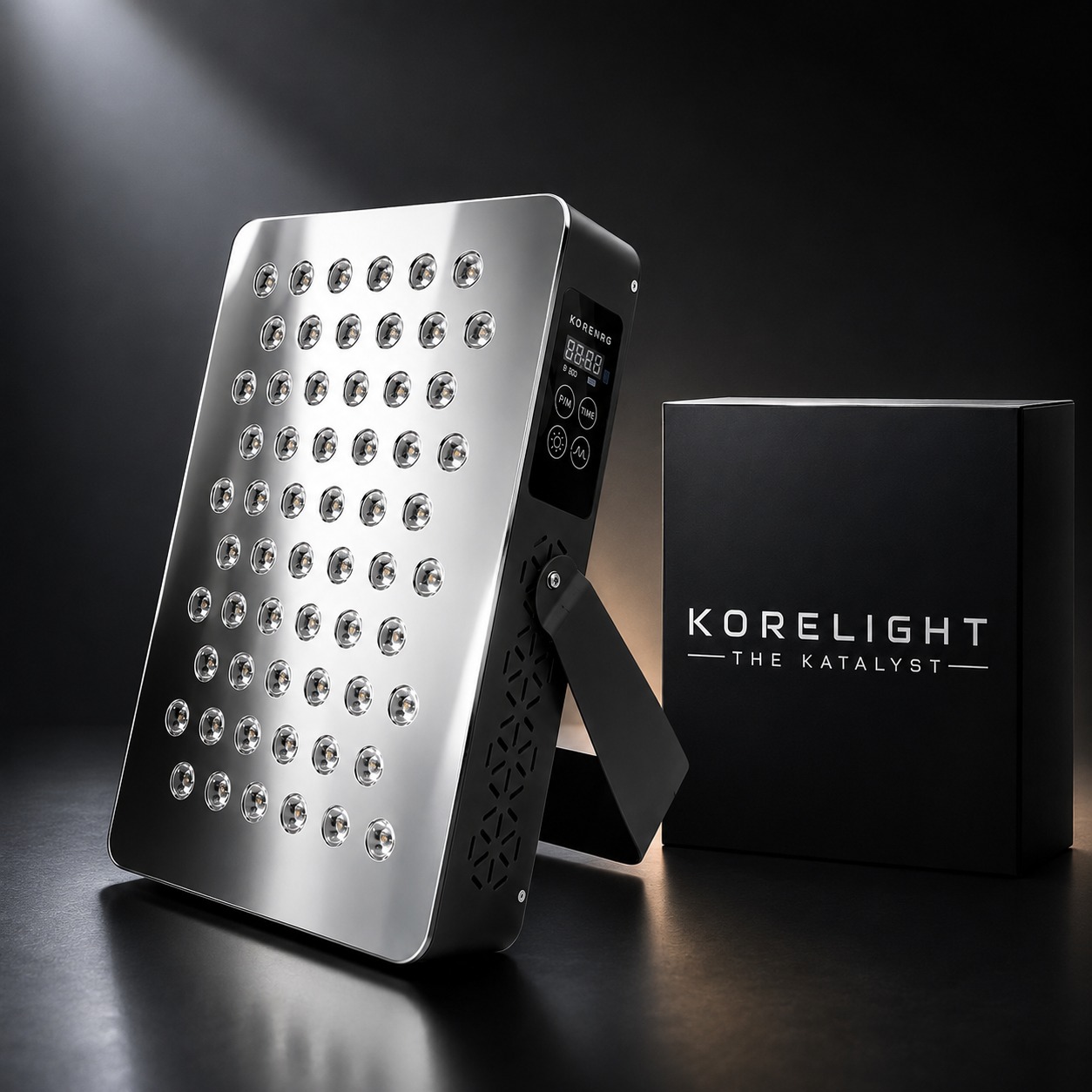
Then there's KoreNRG™.
That system uses a tighter 20-degree optical design because it's intended for a much more localized application.
The goal isn't flooding an entire room with light.
The goal is directing therapeutic light precisely where it's needed.
Three devices.
Three engineering philosophies.
Three different clinical objectives.
That's intentional.
The Lens May Matter More Than the LED
Here's something almost nobody talks about.
The lens sitting in front of the LED.
You could install the exact same LED into two different devices...
...and produce dramatically different treatment characteristics simply by changing the optics.
Think about a flashlight.
Remove the lens.
The light spreads everywhere.
Install a narrow reflector.
Now the beam travels much farther.
The LED didn't change.
The optics did.
That's exactly what happens in therapeutic light.
Why Beam Angle Changes Everything
One of the specifications I wish more buyers paid attention to is beam angle.
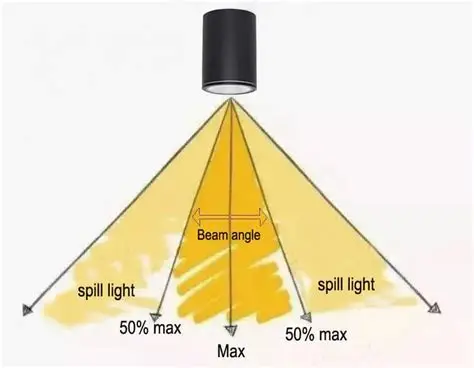
Beam angle determines how photons leave the device.
A narrower beam...
...concentrates light.
A wider beam...
...spreads light over a larger area.
Neither is automatically superior.
Each serves a purpose.
A localized treatment may benefit from tighter beam control.
A full-body wellness experience often benefits from broader, more uniform coverage.
Good engineering starts by asking what experience you're trying to create.
Not what specification looks best on a brochure.
Thousands of Overlapping Light Cones
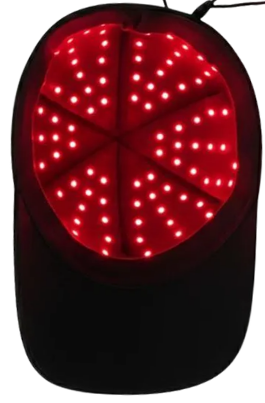
Here's something most people never consider.
Patients aren't treated by one LED.
They're treated by thousands of overlapping beams of light.
Imagine turning on one flashlight.
Now imagine turning on one thousand.
Those beams begin overlapping.
The treatment field becomes smoother.
More consistent.
More uniform.
Professional engineering isn't about designing one LED.
It's about designing what happens when every LED works together.
That's where spacing, optics, beam angle, and output become incredibly important.
LEDs Don't Create Therapeutic Light on Their Own
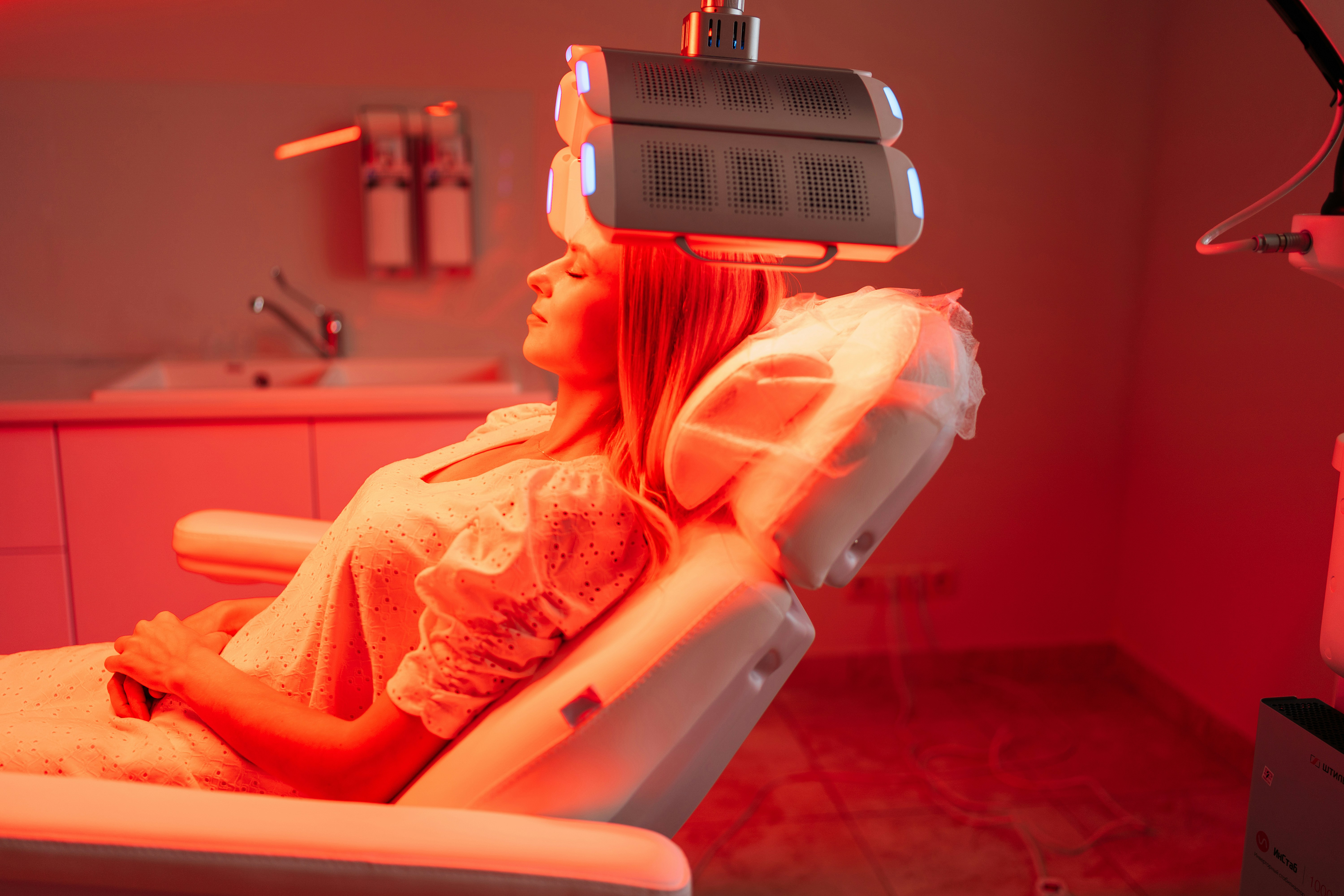
This is another topic that rarely gets discussed.
LEDs don't magically produce therapeutic light.
They require carefully engineered electronics to drive them.
Think of an LED like an athlete.
Talent alone isn't enough.
Without proper coaching, nutrition, recovery, and support, even the most gifted athlete underperforms.
The same is true for LEDs.
Driver electronics determine how consistently power is delivered.
Power management influences performance.
Thermal management influences longevity.
System design influences stability.
The LED is only one piece of a much larger engineering puzzle.
Heat Is the Enemy
One lesson every lighting engineer learns quickly is this:
Heat reduces performance.
Excessive heat can reduce efficiency, shorten component lifespan, and affect long-term consistency.
That's why thermal management isn't an afterthought.
It's one of the foundations of a well-designed commercial system.
Patients rarely see what's happening inside the cabinet.
But good engineering is often invisible.
And that's exactly how it should be.
Not Every 660 nm LED Is the Same
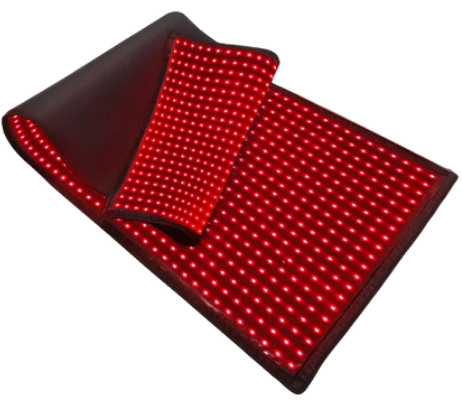
Here's another misconception.
People often assume that if two companies advertise 660 nanometers, they're using identical components.
Not necessarily.
LEDs are manufactured within tolerances.
There can be differences in output, efficiency, consistency, reliability, and manufacturing quality.
The wavelength printed on a specification sheet is only one characteristic of the component.
Just as two cars can both have a V8 engine yet perform very differently, two LEDs with the same nominal wavelength can behave differently depending on their design and manufacturing quality.
That's one reason experienced engineers evaluate far more than a single number on a datasheet.
Engineering Is About Tradeoffs
This might be the most important lesson in this article.
Every engineering decision involves compromise.
Do you prioritize concentrated power or broader coverage?
Uniformity or penetration?
Treatment distance or beam width?
Component density or larger emitters?
There are no universal right answers.
Only solutions that best fit a particular application.
That's why I become skeptical whenever I hear statements like:
"This is the best LED."
Or...
"Every device should use this design."
Engineering simply doesn't work that way.
My Philosophy When Designing Wellness Technology
Whenever we begin designing a new product, we don't start by asking:
"What's the biggest specification we can advertise?"
We start by asking:
"What experience are we trying to create?"
What patient are we trying to help?
How will this technology be used?
What environment will it live in?
What clinical outcome are we pursuing?
How should the treatment feel?
Only after answering those questions do we decide which LEDs, optics, beam angles, power systems, and mechanical designs make the most sense.
In my opinion, that's how medical and wellness technology should be engineered.
From the patient backward.
Not from the marketing brochure forward.
Final Thoughts
One of my hopes for the future of this industry is that we stop comparing devices by whichever specification has the biggest number.
More LEDs don't automatically create better treatments.
Bigger LEDs don't automatically outperform smaller ones.
Narrower beams aren't always superior.
Neither are wider ones.
Every component exists to solve a specific engineering challenge.
The real question isn't:
"How many LEDs does it have?"
Or...
"What size are the LEDs?"
The better question is:
"Why did the engineers make those decisions?"
Because when every choice—from the LED itself to the optics, the beam angle, the power delivery, and the thermal design—is intentional, something remarkable happens.
The specifications stop being the story.
The patient outcomes become the story.
And to me, that's exactly how it should be.