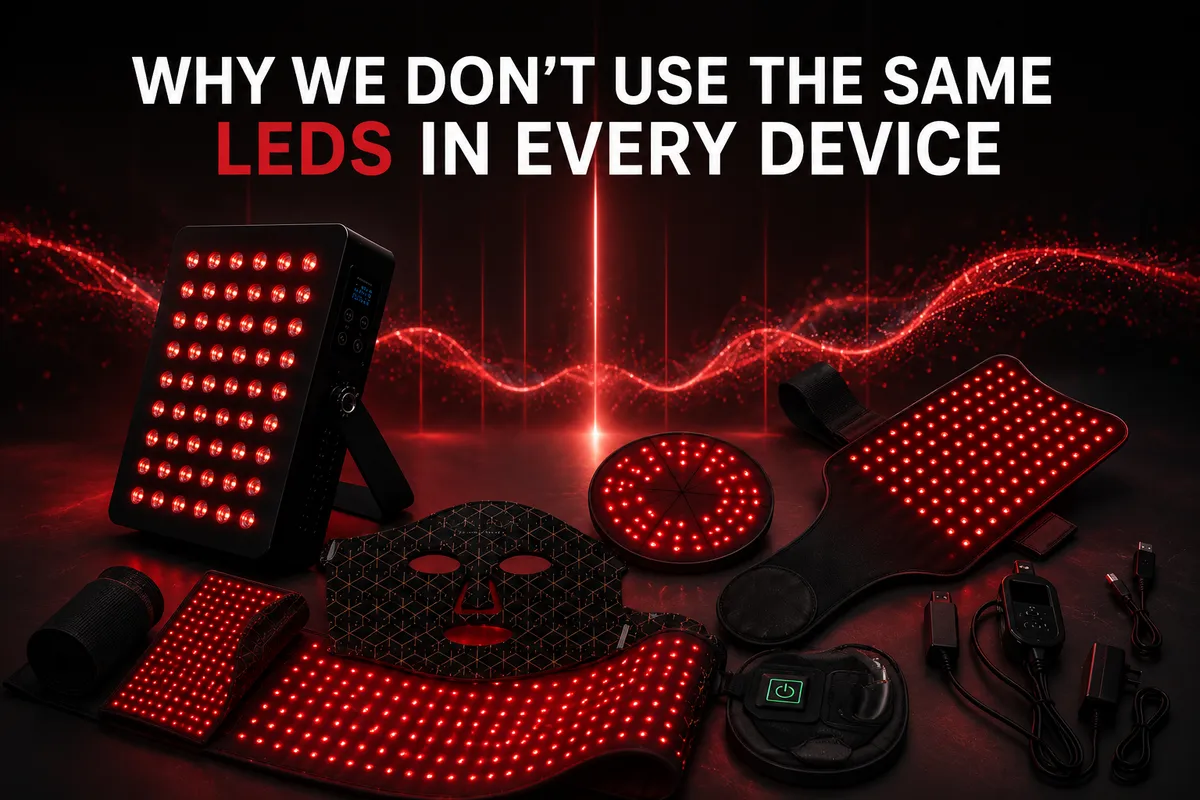
Why We Don't Use the Same LEDs in Every Device
The Engineering Decisions Behind Every Kore System
By Dr. Kory Pohlman
One of the questions I hear most often is surprisingly simple.
"Why don't all of your devices use the exact same LEDs?"
It's a fair question.
If one LED is the "best," shouldn't every product use it?
The answer is...
Absolutely not.
In fact, if every product in a manufacturer's lineup uses the exact same LED, the better question might be:
Were they designing devices for different clinical applications...or simply building different-sized versions of the same product?
At Kore, every device begins with a different question.
What clinical problem are we trying to solve?
Once we answer that question, only then do we begin selecting the components.
Because great engineering doesn't start with parts.
It starts with purpose.
Not All LEDs Are Created Equal
Many people assume an LED is just an LED.
After all...
If two companies advertise a 660 nm LED, shouldn't they be identical?
Not even close.
Two LEDs may both be labeled "660 nm," yet differ significantly in:
Wavelength consistency
Manufacturing tolerances
Optical output
Thermal efficiency
Maximum drive current
Reliability
Lifespan
Beam characteristics
Lens compatibility
Manufacturing quality
The wavelength printed on a specification sheet is only one small part of the story.
Choosing LEDs is much like choosing an engine.
Two vehicles may both advertise a V8.
That tells you almost nothing about how they'll perform over the next 200,000 miles.
Stability Matters More Than Peak Output
One specification I care deeply about isn't the biggest number on the data sheet.
It's stability.
An LED should not only produce light.
It should produce consistent light.
Treatment after treatment.
Year after year.
As engineers, we're interested in what happens after thousands of hours of operation—not just during the first five minutes on a test bench.
Can the LED maintain its optical performance?
Can it dissipate heat efficiently?
Can it operate consistently under the electrical loads required in a professional clinical environment?
These questions matter because patients don't receive treatment from a specification sheet.
They receive treatment from a device that's expected to perform reliably every day.
Power Is Only Useful If the LED Can Handle It
One of the biggest misconceptions in the wellness industry is that you can simply increase power indefinitely.
That's not how LED engineering works.
Every LED has an operating range where it performs optimally.
Drive it too conservatively, and you may not achieve the performance you designed the system to deliver.
Drive it too aggressively, and you can create excess heat, reduced efficiency, accelerated degradation, and shortened component life.
A professional system isn't engineered by asking:
"How much power can we force through this LED?"
It's engineered by asking:
"Where does this LED perform most consistently over years of clinical use?"
That's where we choose to operate.
Not because it's the highest number.
Because it's the smartest one.
Why Wavelength Accuracy Matters
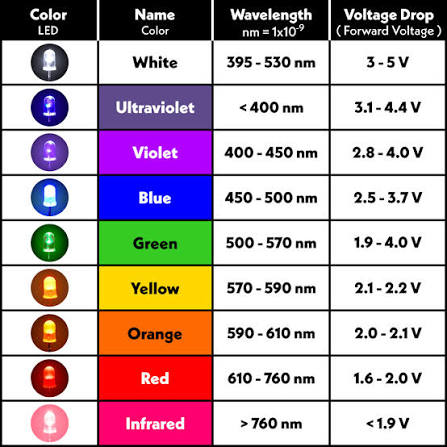
One of the biggest reasons we carefully source our LEDs is wavelength consistency.
Photobiomodulation research is built around specific wavelengths.
Researchers don't simply write:
"Use something close to red."
They investigate precise wavelength ranges because different wavelengths interact with tissue differently.
If we're designing systems around published research, it's our responsibility to ensure the components remain within the intended wavelength tolerances.
That sounds obvious.
But it's one of the reasons component quality matters so much.
A specification printed on a brochure is only valuable if the hardware consistently delivers it.
Research Doesn't Care About Marketing

When we evaluate LEDs, we're constantly asking one question.
Does this component allow us to reproduce the treatment parameters supported by the research?
Not...
Does it look impressive?
Not...
Can we advertise a bigger number?
The published literature doesn't reward marketing.
It rewards precision.
That philosophy has shaped every Kore system we've ever designed.
Different Devices Require Different Engineering
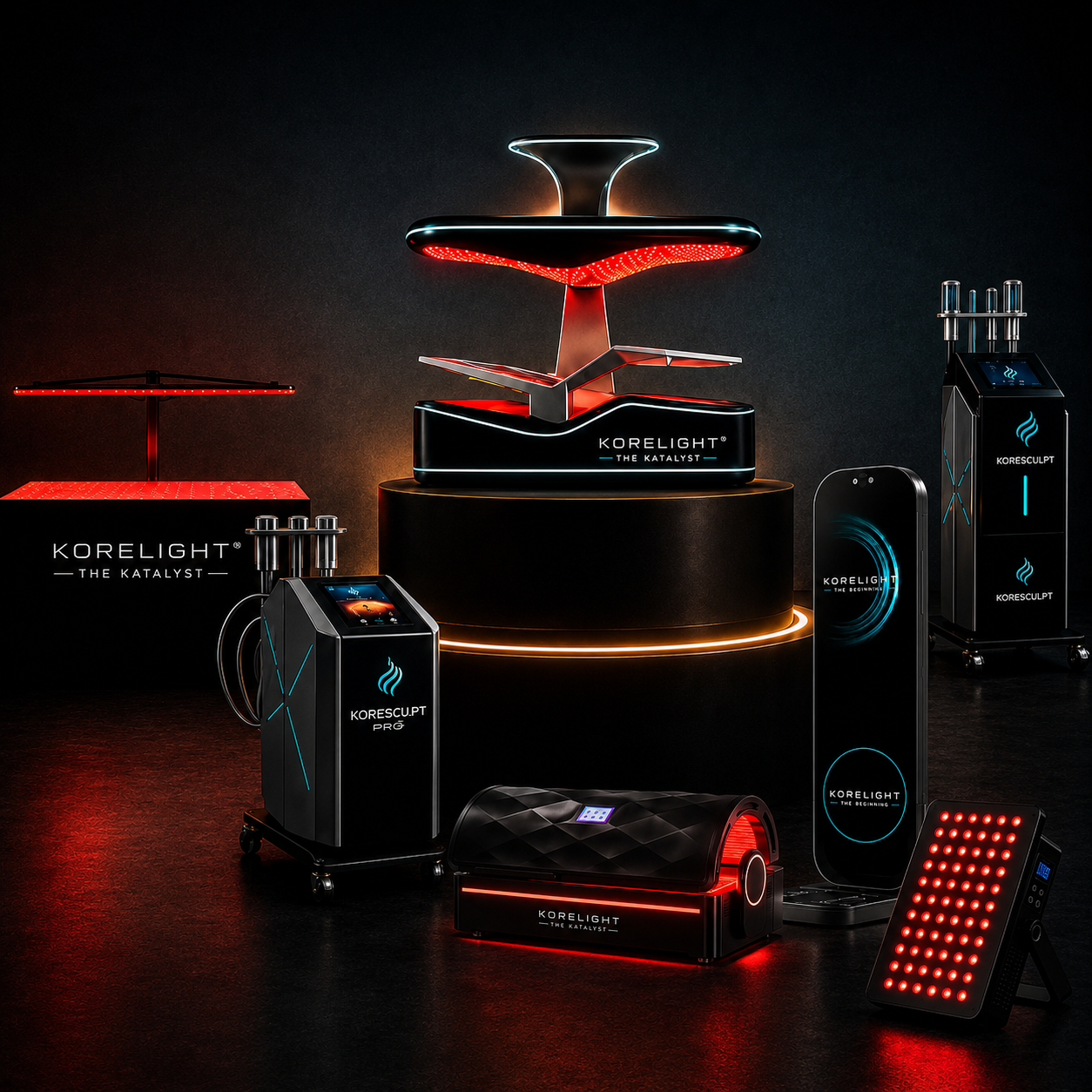
One reason our products don't all use identical LEDs is because they don't all perform the same job.
A localized neuropathy system has different engineering requirements than a full-body wellness chamber.
A premium immersion bed has different optical goals than a standing treatment system.
Different treatment geometries.
Different beam angles.
Different treatment distances.
Different thermal environments.
Different electrical loads.
Different patient experiences.
Trying to force every product into one LED platform would actually limit our ability to optimize each device.
Instead, we choose the LED that best supports the clinical objective of that specific system.
That's engineering.
It's Never Just the LED
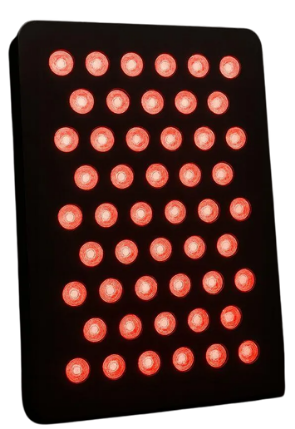
Here's something patients never see.
The LED is only one part of the system.
Every LED works alongside:
Driver electronics
Power supplies
Lens design
Beam angle
Thermal management
Cabinet airflow
Heat sinks
Optical spacing
Mechanical design
Software and treatment protocols
You can install the exact same LED into two different devices and create two completely different treatment experiences.
Because the LED doesn't determine performance by itself.
The system does.
Why We Source Components Globally
Sometimes we're asked why certain components come from different parts of the world.
The answer is simple.
We don't source based on geography.
We source based on performance.
The highest-quality LED for one application may come from one manufacturer, while another application may require a completely different supplier with different strengths.
We're not loyal to a country.
We're loyal to engineering.
If a component better supports wavelength accuracy, reliability, optical performance, or long-term stability, that's the component we're interested in.
Our responsibility is to deliver the best clinical system we can—not to force every product into the same supply chain.
Clinical Outcomes Drive Every Decision
When we sit down to design a new Kore product, we don't begin by asking,
"Which LED should we use?"
We begin by asking,
What condition are we trying to help?
What does the research support?
What wavelengths are appropriate?
What treatment distance will patients use?
What dose are we trying to deliver?
How long should the treatment last?
What experience do we want patients to have?
Only after those questions are answered do we select the LED.
The component serves the treatment.
The treatment never serves the component.
Final Thoughts
The easiest thing in the world is to compare two specification sheets.
The hardest thing is to engineer a complete clinical system.
That's what we've chosen to do.
At Kore, we don't believe there's one "perfect" LED.
We believe there's a right LED for the right application.
Sometimes that means selecting an LED capable of handling higher drive currents while maintaining long-term stability.
Sometimes it means prioritizing tighter wavelength consistency to better align with published research.
Sometimes it means choosing a component that works more effectively with a particular optical design or thermal management strategy.
Those decisions don't always create the biggest marketing headline.
But they do create better-engineered systems.
And in the world of clinical wellness technology, that's what matters most.